
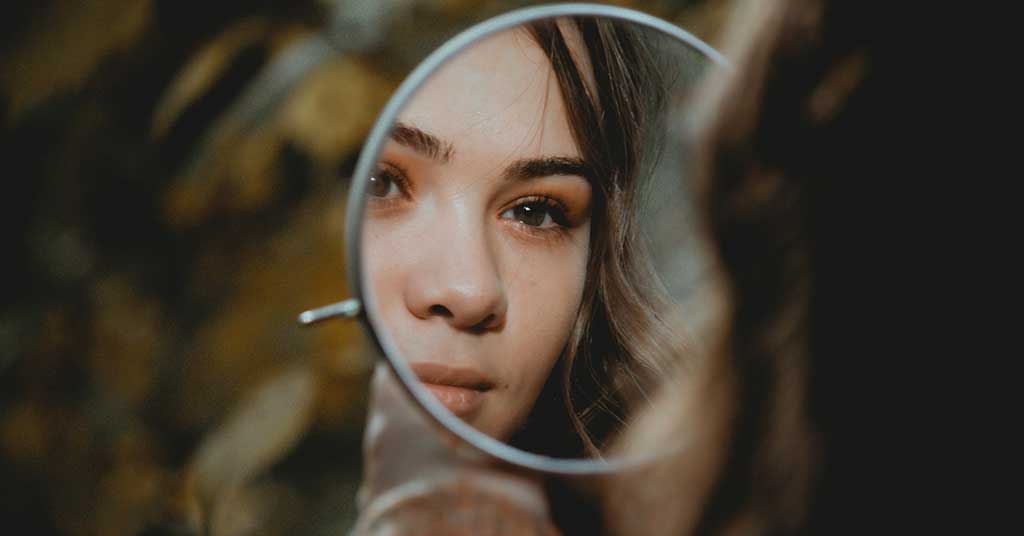
Body dysmorphic disorder (BDD) is a serious mental illness affecting how people see themselves, and it’s more common than you think
Most people occasionally feel unhappy with the way they look. That’s normal, especially in a culture saturated with media images of seemingly perfect bodies. But for some, this dissatisfaction becomes obsessive and overwhelming. For people with body dysmorphic disorder (BDD), it’s not about vanity—it’s a serious mental health issue that can take over their lives.
In Canada, BDD is classified under obsessive-compulsive and related disorders in the Diagnostic and Statistical Manual of Mental Disorders (DSM-5-TR), used by Canadian clinicians.
BDD goes far beyond disliking a body part. It involves a fixation on a perceived flaw—often something minor or invisible to others. Despite repeated reassurance from family, friends or doctors, the person remains convinced that something is wrong with their appearance.
This preoccupation leads to distress, social withdrawal and, in many cases, anxiety and depression. People with BDD may engage in excessive mirror-checking or avoid mirrors entirely. Some try to hide the flaw with makeup, clothing or posture. Others seek cosmetic procedures despite being told the feature is normal. Repeated behaviours like skin picking, comparing themselves to others or seeking constant reassurance are also common.
BDD affects both men and women and typically begins in adolescence or early adulthood. While the exact cause isn’t fully understood, a combination of genetic, neurological and environmental factors plays a role. People with a family history of anxiety or depression may be more susceptible.
The rise of social media and digital beauty filters may be contributing to higher rates of BDD, particularly among young people. Platforms like Instagram and TikTok—popular with Canadian teens—show heavily edited, idealized images that distort beauty standards. AI-powered filters that instantly smooth skin or reshape features blur the line between real and manipulated appearances.
Fortunately, body dysmorphic disorder is treatable. A combination of cognitive behavioural therapy (CBT) and antidepressant medications, particularly SSRIs, is typically recommended. In most provinces, treatment can begin with a referral from a family doctor. Services may be covered under provincial health plans or private insurance, depending on your location. Virtual therapy options have also expanded access to support across the country.
Tips for parents to support a healthy self-image
- Keep the lines of communication open. Let your child know it’s safe to talk to you about worries and insecurities.
- Be generous with praise and measured with criticism—especially regarding things they can’t change.
- Monitor social media use and be aware of appearance-focused content that may distort expectations.
- Emphasize values beyond appearance. Encourage pride in effort, humour, kindness and creativity.
- If you suspect a problem, don’t wait. Talk to your family doctor and ask about mental health support.
Support is available. Parents and youth can contact Kids Help Phone or consult the Centre for Addiction and Mental Health (CAMH) for more information.
Recognizing the signs early and knowing where to turn—whether it’s a doctor, school counsellor or helpline—can make all the difference.
| Health Desk
Explore more on Body dysmorphic disorder, Anorexia, Bulimia, Depression, Anxiety
The views, opinions, and positions expressed by our columnists and contributors are solely their own and do not necessarily reflect those of our publication.
Troy Media empowers Canadian community news outlets by providing independent, insightful analysis and commentary. Our mission is to support local media in helping Canadians stay informed and engaged by delivering reliable content that strengthens community connections and deepens understanding across the country.

